Structural Plywood Explained Without the Jargon
They hear “structural plywood” and it instantly sounds like something only builders should talk about. But it is actually pretty simple. Structural plywood is just plywood made and tested to do a job in a building, not just look nice or fill a gap.
This guide keeps it practical and Australian based. No fluff. Just what it is, where it goes, what the stamps mean, and how they can buy the right sheets without getting talked in circles.
What is structural plywood, in plain terms?
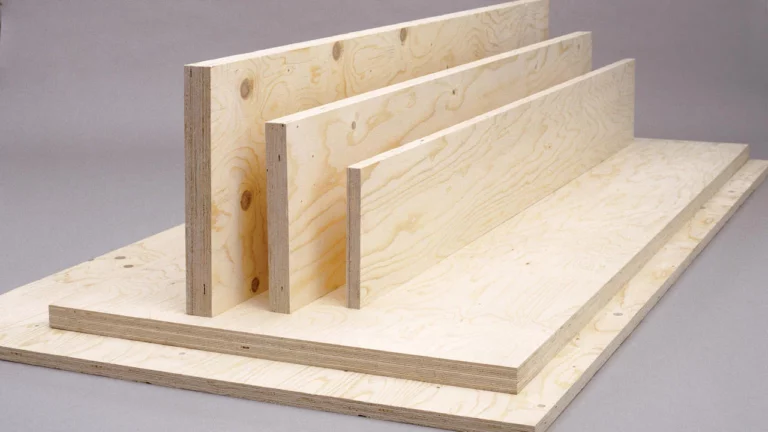
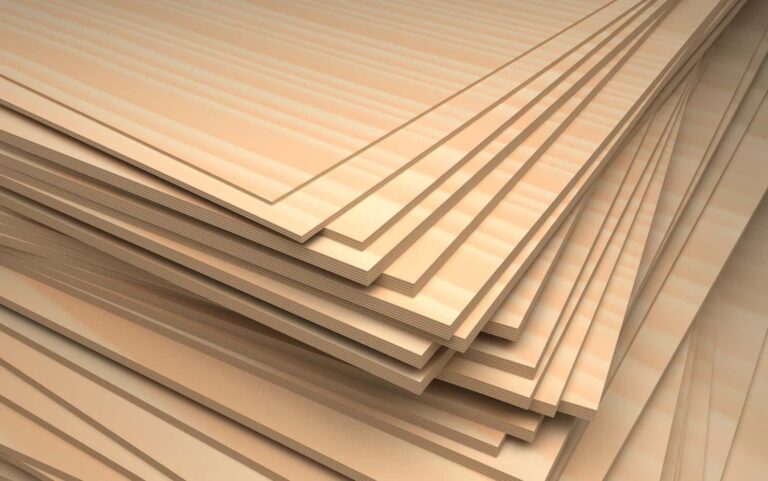
Structural plywood is engineered timber sheet made to carry loads, brace frames, and stiffen floors, walls, and roofs. In other words, it is chosen because it is strong and predictable, not because it has a pretty face.
In Australia, it is manufactured and graded to meet building requirements, so builders can rely on it doing the same thing every time. That reliability is the whole point of structural plywood.
What makes structural plywood different from “normal” plywood?
Structural sheets are made to a structural standard, and they are stress graded. That means the mill has to prove the sheet meets strength and stiffness targets, then mark it clearly.
“Normal” plywood, like some interior or craft sheets, might be fine for a cabinet back or a toy box. But it is not automatically suitable for bracing, subfloors, or roof diaphragms. Structural plywood is the one that is made for those jobs.
Where is structural plywood actually used in Australian builds?
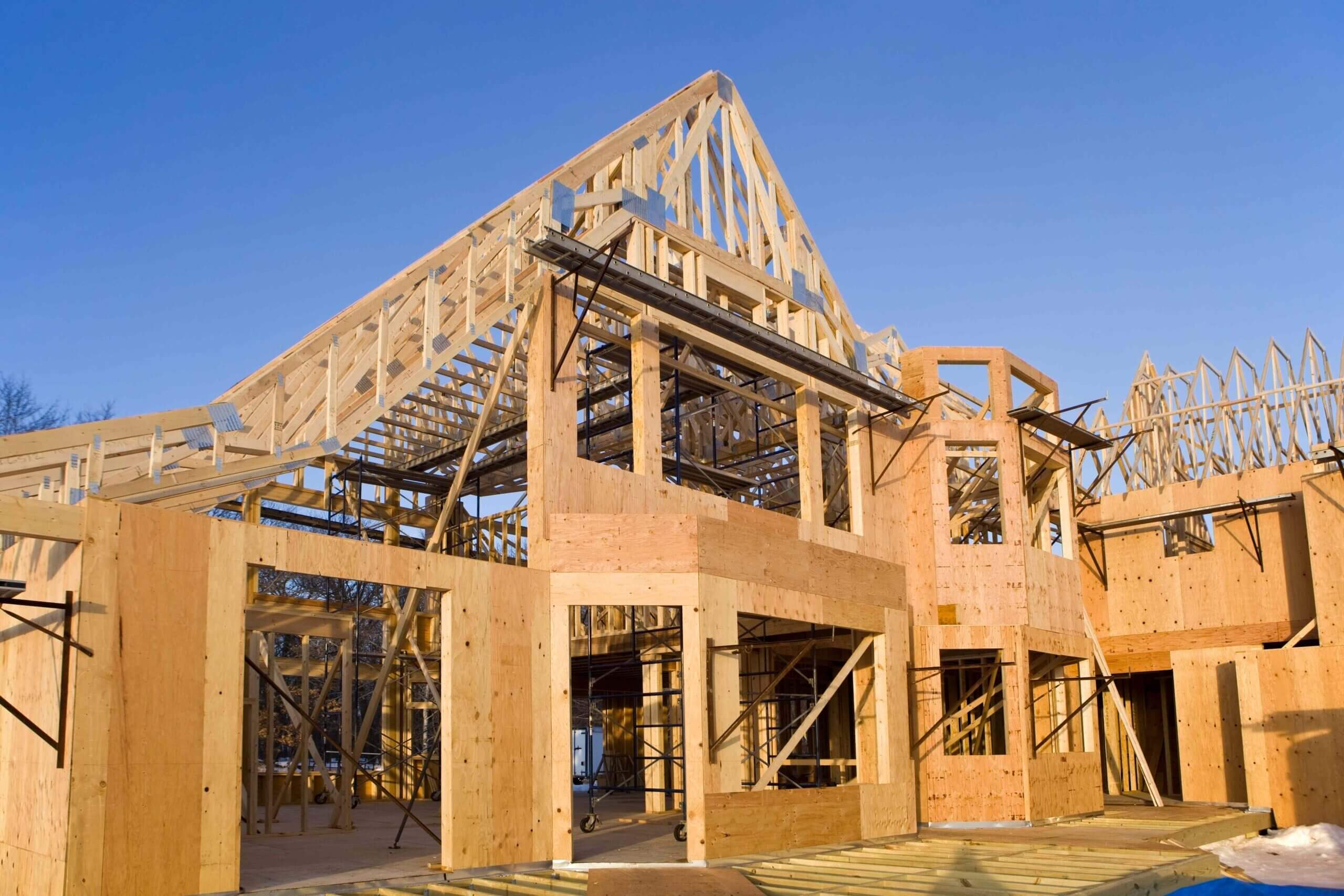
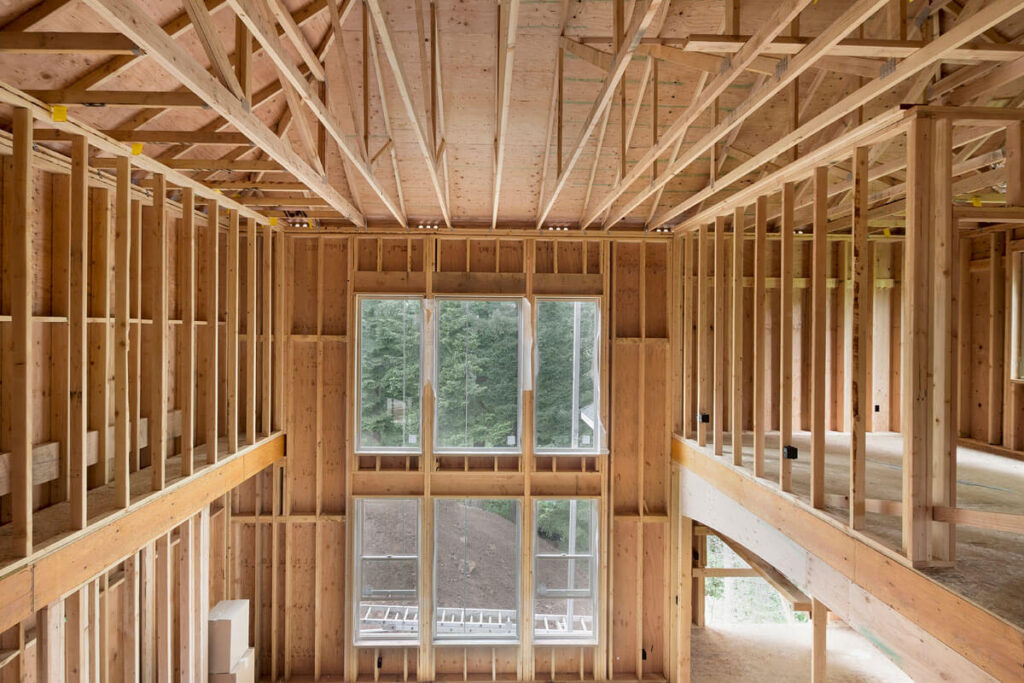
They will usually see it in wall bracing, subfloors, roof bracing systems, and sometimes as webs in engineered components. It also shows up in sheds, decks, and renovations where the frame needs extra stiffness.
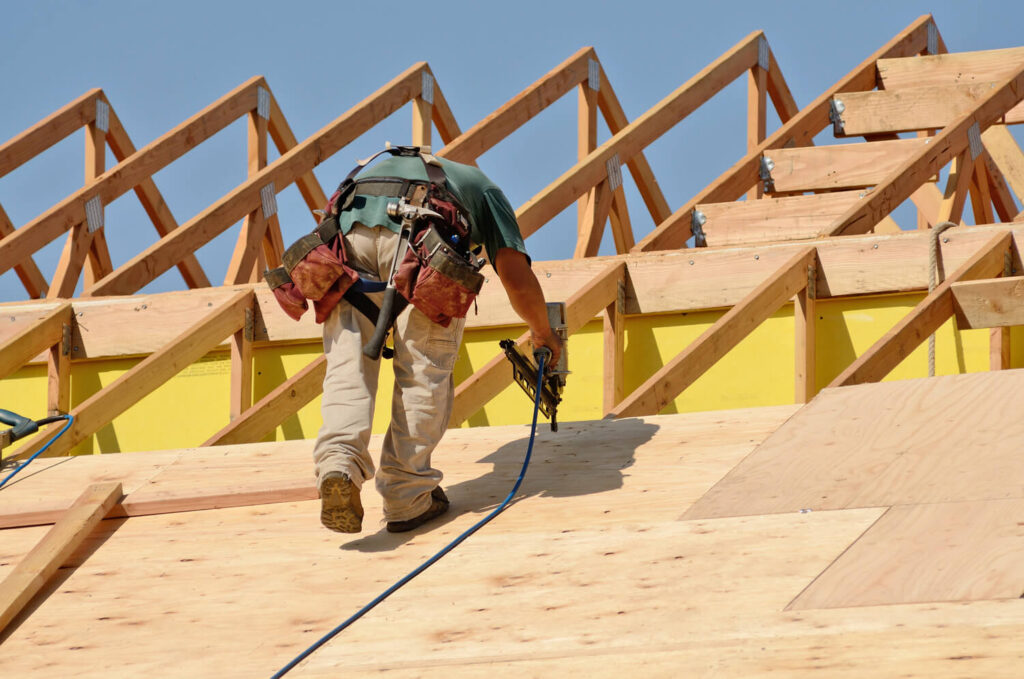
On a typical Australian site, structural plywood might be nailed to wall frames for bracing, glued and screwed as a floor diaphragm, or used under metal roofing in certain designs. It is there to stop movement, racking, and bounce.
How do they know if a sheet is structural plywood when buying it?
They should look for the stamp, brand markings, and grading information on the sheet. If the sheet is structural, it will say so, and it will include a stress grade and standard reference.
If the sheet has no structural grade stamp, they should not assume it is suitable for bracing or flooring. With structural plywood, the proof is literally printed on the product, usually on the back.
What do the Australian stamps and grades mean?
The stamp normally includes the standard (commonly AS NZS 2269 for structural plywood), a bond type, and a stress grade such as F-grade. The higher the stress grade, the stronger and stiffer the sheet is expected to be.
They do not need to memorise the whole codebook. They just need to match the grade and thickness to the engineer’s detail or the bracing schedule. If unsure, they should ask for the supplier’s data sheet for that structural plywood line.
Does thickness matter, or is any sheet “strong enough”?
Thickness matters a lot, because stiffness goes up quickly as the sheet gets thicker. A thin sheet can still be structural, but it may deflect more and need closer framing support.
They should not choose thickness by feel. Flooring might call for one thickness over joists at a given spacing, while wall bracing might specify another. Structural plywood works best when the thickness matches the span and the fixings.
Is structural plywood waterproof, or will it swell in the rain?
It is not automatically waterproof. Some sheets have durable bonds and can handle weather exposure during construction, but the timber veneers can still take on moisture and swell if left wet for too long.
They should treat structural plywood like a building material that needs decent site practice. Store it flat, off the ground, covered, and let it acclimatise before fixing if it has been sitting in humid coastal air, like around Brisbane or the Central Coast.
What is the difference between interior, exterior, and marine options?
The big difference is usually the glue bond and durability expectations, not magic timber. Exterior rated sheets typically use a more durable bond and are made for more demanding moisture conditions.
Marine plywood is a separate category with tighter rules around veneer quality and gaps, and it costs more. Many structural jobs do not need marine. They just need the right structural plywood grade and an exposure rating that suits the project location.
Can structural plywood be used for floors without squeaks and bounce?
Yes, if it is specified and installed properly. Floors feel solid when the sheet thickness suits the joist spacing, the edges are supported, and fixings are consistent.
Glue plus screws (or ring shank nails where specified) helps. So does leaving the correct gap at sheet edges for expansion. A common fail is rushing the install, then blaming the structural plywood when the real issue was spacing, adhesive, or missed fixings.
What should they check before using it for wall bracing?
They should confirm the bracing design requires plywood, then match sheet thickness, nail size, nail spacing, and frame layout. Bracing is a system, not just a sheet slapped on timber.
Openings for windows and doors matter too, because they change how loads move through the wall. If the plan calls for structural plywood bracing panels at specific locations, swapping materials without checking is where trouble starts.
How is structural plywood meant to be cut and fixed on site?
It should be cut cleanly with the right blade, supported properly, and sealed if the specification calls for it. For fixing, they should follow the nailing or screwing pattern shown on the drawings or bracing schedule.
Overdriving fasteners can crush the face veneer and reduce holding. Underdriving can stop the sheet sitting flat. With structural plywood, the boring stuff like edge distance and spacing is what gives the performance.
Is structural plywood safe and compliant for bushfire and coastal areas?
It can be, but it depends on the full wall or floor system and the site classification. In coastal areas, corrosion protection for fasteners is a big deal, because salty air around places like Newcastle or Perth can chew through the wrong nails quickly.
For bushfire-prone areas, compliance is about the overall assembly meeting the BAL requirements, not just the sheet. They should check the project’s BAL rating and the specified materials. Structural plywood may be part of a compliant build, but it is rarely the only factor.
What are the most common buying mistakes people make in Australia?
The biggest one is grabbing “plywood” without confirming it is structural and correctly graded. Another is assuming a cheaper, unmarked sheet is close enough. It often is not.
They also mix up appearance grades with structural grades. A nice face does not guarantee strength. The safest approach is to buy structural plywood from a reputable Australian supplier, then match the stamp to the spec.
How do they choose the right sheet for their project, without guessing?
They should start with the drawings, engineer’s details, or bracing schedule, then buy exactly what is called up. If they do not have documents, they should at least define the job: floor, roof, bracing, or general use, plus the span and environment.
Then they can ask a timber merchant for a compliant option that matches those needs. It is not about buying “the best” sheet. It is about buying the right structural plywood for the exact role, in the exact Australian conditions.
What is the simplest takeaway if they only remember one thing?
If it is carrying load, bracing a frame, or stiffening a floor, they should not wing it. They should use stamped, graded structural plywood that matches the specification, and install it with the correct fixings and spacing.
That is it. The strength is not mysterious. It is printed on the sheet, and it only works properly when the whole system is followed.
FAQs (Frequently Asked Questions)
What is structural plywood and why is it important in building?
Structural plywood is engineered timber sheet designed to carry loads, brace frames, and stiffen floors, walls, and roofs. It is chosen for its strength and reliability rather than appearance, ensuring consistent performance in Australian building applications.
How does structural plywood differ from regular or craft plywood?
Structural plywood is manufactured and stress graded to meet specific strength and stiffness standards required for building tasks like bracing and flooring. Regular or craft plywood lacks these certifications and is unsuitable for structural uses such as subfloors or roof diaphragms.
Where is structural plywood commonly used in Australian construction?
In Australia, structural plywood is typically used for wall bracing, subfloors, roof bracing systems, engineered component webs, sheds, decks, and renovations requiring added frame stiffness. It helps prevent movement, racking, and bounce in these structures.
How can I identify genuine structural plywood when purchasing?
Look for clear stamps or brand markings on the sheet indicating compliance with standards like AS NZS 2269. The stamp should include a stress grade (e.g., F-grade) and bond type. Sheets without these markings should not be assumed suitable for structural purposes.
Does the thickness of structural plywood matter for its performance?
Yes, thickness greatly affects stiffness; thicker sheets offer greater load-bearing capacity and less deflection. The appropriate thickness depends on the application, such as flooring over joists or wall bracing, so it must match engineering specifications rather than be chosen by feel.
Is structural plywood waterproof and how should it be stored on site?
Structural plywood is not inherently waterproof. While some grades tolerate temporary exposure during construction due to durable bonds, timber veneers can swell if left wet. It should be stored flat, off the ground, covered from rain, and acclimatised before installation—especially in humid coastal areas.